
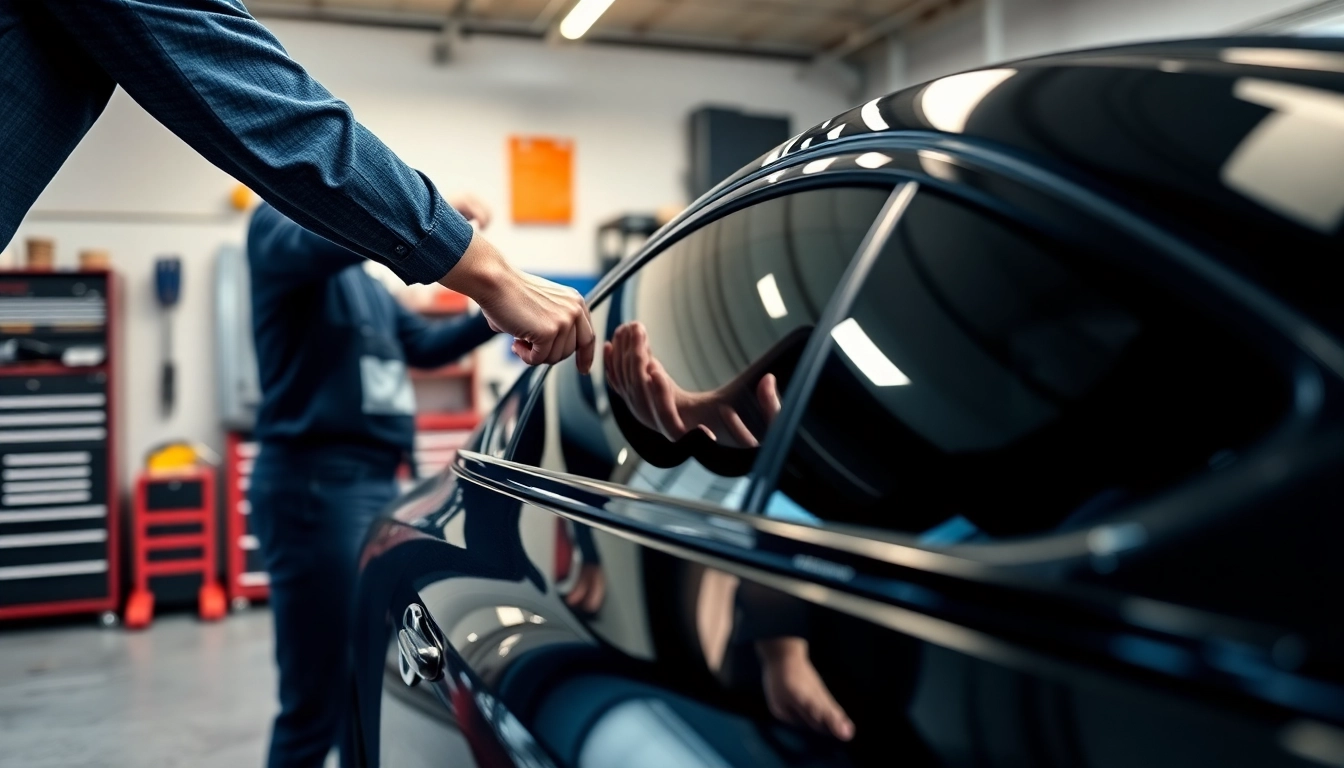
Understanding Window Tinting
What is Window Tint?
Window tinting involves applying a thin film to the glass surface of vehicles, homes, and commercial buildings to reduce light transmission. The film can range in opacity, providing varying levels of visibility and privacy, while also enhancing aesthetic appeal. This process not only adds a layer of protection but also improves the comfort level of the interior space by filtering UV rays and controlling heat.
Benefits of Window Tinting
Window tinting comes with an array of benefits that extend beyond merely enhancing the appearance of your vehicle or space. Some of the prominent advantages include:
- UV Protection: High-quality window tint can block up to 99% of harmful UV rays, protecting both your skin and the interior surfaces of your vehicle or home from sun damage.
- Heat Reduction: By filtering out infrared rays, window tint significantly reduces heat inside the vehicle or space, enhancing comfort and lowering air conditioning costs.
- Enhanced Privacy: Tinted windows provide a layer of privacy during both day and night, making it difficult for onlookers to see into your vehicle or home.
- Safety and Security: Window film holds shattered glass together, reducing the risk of injury during accidents or break-ins.
- Glare Reduction: Window tint minimizes glare from the sun and headlights, improving visibility and reducing eye strain.
Common Myths About Tint
Despite its popularity, several myths regarding window tinting persist. Understanding the facts can help debunk these misconceptions:
- Myth 1: All tints are illegal. Fact: Laws vary by state and country. Most areas allow certain levels of tinting for passenger vehicles.
- Myth 2: Window tinting always makes it too dark to see out. Fact: Many options exist that provide privacy while still allowing light to pass through.
- Myth 3: Tinted windows will damage your glass. Fact: Professional installation ensures proper adhesion without harm to the glass.
- Myth 4: Tinting is only for cars. Fact: Window film can be installed on homes and businesses as well for similar benefits.
- Myth 5: Once you tint windows, you can’t remove it. Fact: Window film can be professionally removed without damaging the glass.
Finding Window Tint Near Me
Researching Local Options
When searching for window tint near me, take time to explore local options that fit your needs. Start with a simple online search or examine local directories. Consider the types of tint offered and ensure that the installers are experienced and certified to provide quality results. Also, remember to verify that they adhere to local regulations regarding tint darkness.
Reading Customer Reviews
Reviews from past customers can provide insight into the quality of service and products offered by window tinting professionals. Websites like Google, Yelp, and social media platforms serve as beneficial resources. Look for comments on the tint’s longevity, quality of installation, customer service, and any issues related to warranty claims. This first-hand feedback will guide you in making an informed decision.
Asking for Recommendations
Personal recommendations from friends or family can greatly enhance your search for window tinting services. Ask those you trust about their experiences, whether they were satisfied with the work done, and if they would recommend the company. People who have similar requirements may offer valuable insights and suggest options you may not have considered.
Choosing the Right Window Tint
Types of Window Tints Available
Choosing the right window tint can be overwhelming given the variety of options available. Below are some common types:
- Metalized Tint: Contains tiny metal particles that reflect heat and sun, offering durability and fade resistance, but can interfere with signals.
- Carbon Tint: Offers excellent heat reduction, and UV protection, while not fading over time. It doesn’t interfere with electronic signals.
- Dyed Tint: Provides a dark appearance and privacy but doesn’t offer as much heat rejection as other types, making it suitable for aesthetic purposes.
- Ceramic Tint: The premium option, combining strength with heat rejection without signal interference, providing comfort and clarity.
Factors to Consider When Choosing
Selecting the right type of window tint involves considering several factors:
- Legal Restrictions: Research local laws and regulations concerning window tint percentages to ensure compliance.
- Purpose of Tint: Determine whether you primarily need tint for privacy, UV protection, heat reduction, or aesthetics.
- Budget: Different types of tints come at varying price points; balance your needs with what you can afford.
- Durability and Warranty: Look for products offering good durability, and check warranties to protect your investment.
Cost Comparison of Different Tints
The price of window tinting varies based on the type of film, vehicle size, and installer expertise. On average:
- Dyed tint can range from $200 to $400.
- Metalized tint typically costs between $300 and $600.
- Carbon tint would usually be in the $350 to $700 range.
- Ceramic tint is the most expensive option, often starting at $600 and can go upwards of $1,200.
Get quotes from multiple installers to understand the market rates in your area before making a final decision.
Installation Process
What to Expect During Installation
Installing window film is a multi-step process that typically involves:
- Preparation: Cleaning the glass surface thoroughly to eliminate contaminants that could affect adhesion.
- Measurement: Accurately measuring the windows to cut the film to the appropriate size.
- Application: Applying the film to the window using a squeegee to remove air bubbles and ensure full adhesion.
- Curing: Allowing time for the film to set properly before handling or rolling down the windows.
DIY vs. Professional Installation
While a DIY installation might seem appealing due to cost savings, professional installation offers numerous advantages:
- Expertise: Professionals have experience and training that can translate to a higher quality finish.
- Tools: They possess specialized tools that make the job easier and reduce the chance of error.
- Warranty: Many professional installers provide warranties that cover their workmanship, ensuring your investment is protected.
Assess your own skill level and comfort with DIY projects before making a decision.
Post-Installation Care Tips
After installation, proper care is essential to extend the life of your window tint:
- Wait to Roll Down Windows: Avoid rolling down windows for at least 24-48 hours to allow the film to cure properly.
- Gentle Cleaning: Use non-ammonia-based cleaners to clean tinted surfaces, preferably with a microfiber cloth.
- Avoid High Heat: Don’t park in direct sunlight for extended periods right after installation to prevent deformation of the film.
Frequently Asked Questions
How long does window tint last?
The lifespan of window tint varies, typically lasting 5-10 years, depending on maintenance and quality.
Is window tint legal in my area?
Check local laws as regulations on tint percentage and reflectivity vary by state and region.
Can I remove window tint myself?
Yes, but it’s best done by a professional to avoid damage to the glass or window film residue.
Does window tint reduce heat?
Yes, window tint can significantly reduce heat inside your vehicle, improving comfort and energy efficiency.
What is the cost of window tinting?
Costs vary based on vehicle size and tint type, typically ranging from $200 to $600 for professional installation.