
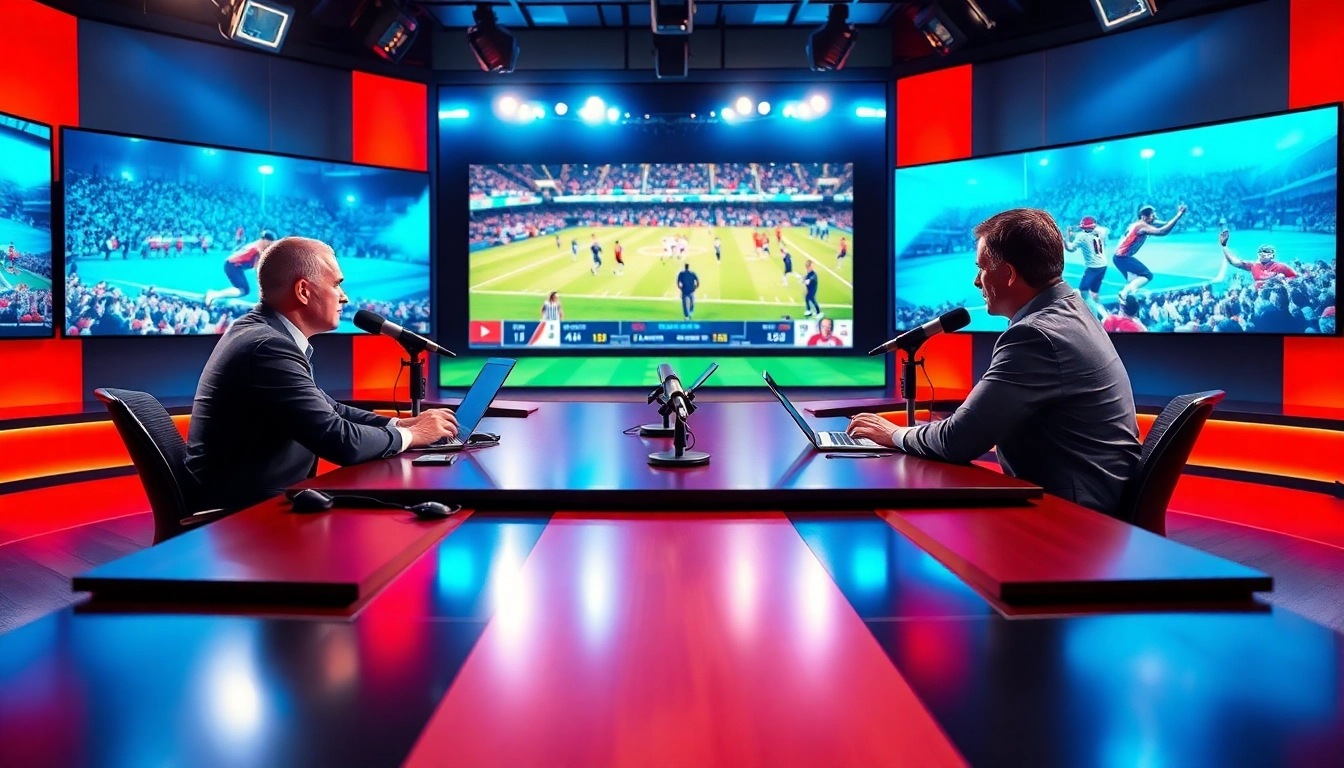
Understanding Sports Broadcasting
What is Sports Broadcasting?
Sports broadcasting refers to the dissemination of sporting events through various communication channels, including television, radio, and online platforms. This practice aims to bring live sports experiences to audiences, regardless of their location. Offering viewers real-time action, commentary, and analysis, sports broadcasting cultivates a passion for sports and encourages fan engagement. The advent of digital technology has further revolutionized Sports Broadcasting, making it possible for fans to access games anytime and anywhere on their devices.
History of Sports Broadcasting
The origins of sports broadcasting can be traced back to the early 20th century when radio first became popular. The first-ever radio broadcast of a live sporting event occurred in 1921, featuring a boxing match. Approximately a decade later, television made its debut, greatly enhancing the sports viewing experience. The 1950s and 1960s marked the golden age of sports broadcasting with coverage of major events, such as the Olympics and the Super Bowl, drawing in millions of viewers. Over the decades, advancements in technology, from color TV to the introduction of digital broadcasting, have further transformed the landscape of sports broadcasting, allowing for improved quality and audience reach.
Types of Sports Broadcasting
Sports broadcasting encompasses several formats, each catering to different audiences and platforms. Key types include:
- Live Telecasts: Real-time coverage of events, typically featured on cable and streaming services.
- Radio Broadcasts: Audio-only transmission that allows fans on the go to follow games.
- Highlight Shows: Recap programs featuring key plays and analysis, appealing to fans who might have missed live coverage.
- Online Streaming: Many platforms now offer live streaming of games that can be viewed on smartphones, tablets, and computers, adapting to the modern consumer's needs.
Key Elements of Effective Sports Broadcasting
Technology in Sports Broadcasting
Technology is at the forefront of sports broadcasting innovations. From high-definition cameras capturing every angle of the game to virtual graphics that enhance the viewing experience, technology plays a vital role. Innovations like 4K resolution, drone cameras, and automated broadcasting have transformed how audiences consume sports content. Furthermore, the integration of advanced analytics allows broadcasters to share insightful stats in real time, enriching audience understanding and enjoyment.
Commentary Techniques
Effective commentary makes sports broadcasting engaging and enjoyable. Key commentary techniques include:
- Storytelling: Narrating the history and context of the teams or players involved adds depth to the broadcast.
- Engaging Dialogue: Commentators should be dynamic, using humor and enthusiasm to keep audiences entertained.
- Expert Analysis: Providing insight and professional opinions during the game keeps viewers informed about strategies and tactics.
Production Strategies
A well-executed sports broadcast requires meticulous planning and execution. Key components of production strategies include:
- Pre-Production Planning: Coordination with teams, scheduling of camera crews, and technology checks are essential steps before an event.
- In-Game Management: Real-time adjustments to camera angles, graphics, and commentary are critical during live broadcasts.
- Post-Event Analysis: Engaging audiences after the event through social media and additional content reinforces the connection with fans.
Engaging Your Audience in Sports Broadcasting
Building Fan Interaction
Engagement is pivotal in sports broadcasting. Developing interactive segments such as polls, Q&A sessions, and live tweets can enhance the viewing experience. Encouraging fans to submit comments or questions during games fosters a sense of community and connection. Promoting viewer interaction makes the broadcast more appealing, as audiences feel they play a role in the event, amplifying their emotional investment.
Utilizing Social Media
Social media platforms like Twitter, Facebook, and Instagram are invaluable tools for broadcasters. They assist in promoting content and reaching wider audiences. Live social media feeds during broadcasts allow fan reactions to be displayed in real time, creating a more interactive experience. Additionally, post-event discussions and recaps on social media keep the conversation going, targeting both casual viewers and dedicated fans.
Creating Compelling Content
Compelling content is at the heart of effective sports broadcasting. Producing segments that feature player interviews, behind-the-scenes footage, or historical insights into games can captivate audiences. Content that resonates with fans on an emotional level—whether through storytelling or highlighting inspiring moments—enhances viewer loyalty, turning casual viewers into lifelong fans.
Challenges in Sports Broadcasting
Adapting to New Technologies
The rapid evolution of technology presents challenges for sports broadcasters. Keeping up with new production techniques, hardware, and software requires continuous training and investment. Broadcasters must remain adaptable and embrace changes, ensuring they leverage new tools to enhance viewer experience without sacrificing quality. Developing a culture of innovation within teams can foster a proactive approach to challenges.
Managing Live Events
Live sports events come with inherent unpredictability. Weather conditions, game delays, and technical hiccups can disrupt broadcasts. To combat this, effective risk management strategies are necessary, including contingency plans for various scenarios. Training staff to stay calm under pressure and embrace flexibility ensures that the audience receives a seamless viewing experience, regardless of surprises during the event.
Overcoming Competition
The marketplace for sports broadcasting is increasingly crowded, as new players enter the arena and existing brands evolve their offerings. To differentiate, broadcasters must focus on quality, leveraging talent for commentary, innovative production methods, and unique content delivery. Nurturing relationships with rights holders and exploring niche markets can also provide competitive advantages, helping broadcasters stand out in a saturated landscape.
Future Trends in Sports Broadcasting
Streaming vs. Cable
The shift from traditional cable to streaming platforms is a defining trend in sports broadcasting. Audiences desire flexibility and on-demand options that streaming services provide. This evolution pressures traditional cable companies to adapt their offerings or risk losing subscribers. As preferences evolve, finding a balance between both platforms will be essential to retain diverse audiences and maximize reach.
Virtual and Augmented Reality
Virtual reality (VR) and augmented reality (AR) are beginning to make inroads into sports broadcasting. These technologies offer immersive experiences, allowing fans to feel as if they are part of the action. For example, AR can enhance televised broadcasts by overlaying real-time statistics and graphics onto the field, providing viewers with a richer understanding of the game. Continuing advancements will likely further enhance viewer engagement.
The Impact of AI on Broadcasting
Artificial intelligence (AI) is reshaping sports broadcasting by introducing data-driven analytics and enhancing production efficiency. AI algorithms can analyze player performance in real-time, providing commentators with valuable insights. Additionally, AI can automate aspects of production, leading to more streamlined operations and reducing operational costs. As AI technology develops, its influence on sports broadcasting will likely grow exponentially.
Frequently Asked Questions
What is Sports Broadcasting?
Sports broadcasting is the transmission of live or recorded sports events via television, radio, or online platforms, aiming to deliver real-time experiences to fans.
How did Sports Broadcasting begin?
Sports broadcasting began in the early 20th century with radio broadcasts, evolving into television and now internet streaming, integrating advanced technology along the way.
What types of Sports Broadcasting are there?
Sports broadcasting includes live telecasts, radio broadcasts, highlight shows, and online streaming, catering to diverse audience preferences across different platforms.
How can broadcasters engage their audience?
Broadcasters can engage audiences through fan interaction, utilizing social media, and creating compelling content that resonates emotionally with viewers.
What are the future trends in Sports Broadcasting?
Future trends in sports broadcasting include the rise of streaming platforms, advancements in VR/AR technology, and the increasing use of AI for analytics and production efficiencies.