A livestock robot can do more than automate one job in a barn. It can create work in installation, maintenance, data services, training, and farm planning, but each opening depends on a task that costs time or labor today.
- Milking, feeding, cleaning, and animal checks are the main work areas.
- Service contracts may matter as much as the machine sale.
- Farms will need proof that a robot fits their layout and daily routine.
Where the machines can work
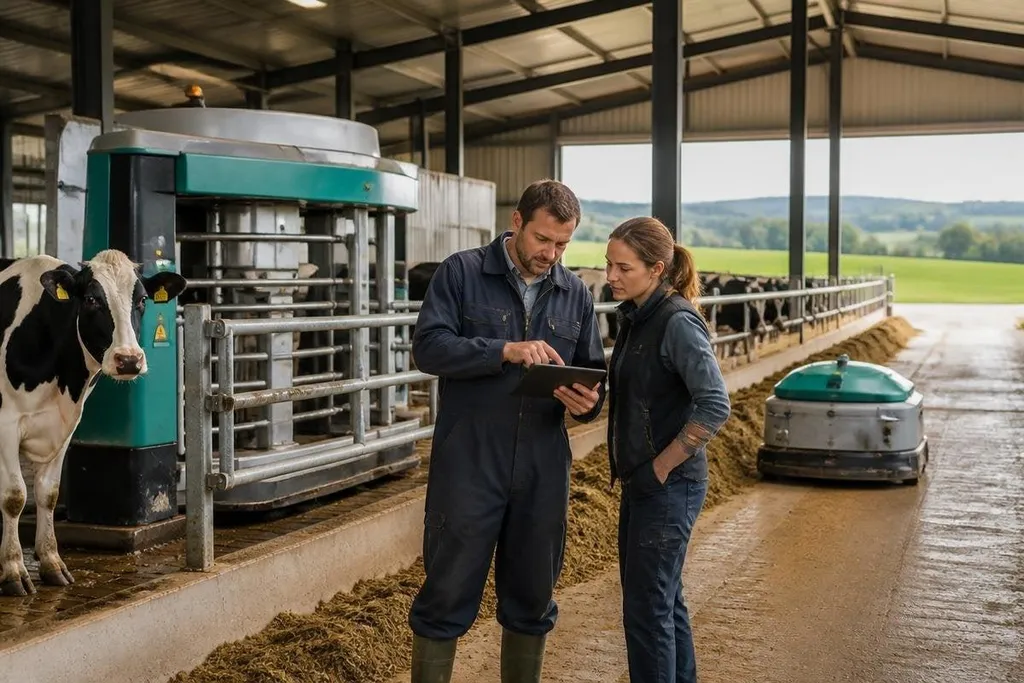
The clearest opportunities sit around repeated jobs with set steps. Milking systems can handle a regular process, while feeding robots can move along planned routes and place feed at set points. Cleaning systems can reduce manual work in areas that need frequent attention.
Animal monitoring creates a different type of opening. Cameras, weight systems, and other sensors can collect signs linked to feeding, movement, or health. A farm may then buy the robot, the software, or a service that turns those readings into tasks for staff.
The business case still depends on the farm. A robot needs enough useful work to cover its purchase, setup, power, repairs, and training.
A smaller operation may prefer a shared service or a mobile robot that visits several farms instead of owning a full system.
The money around the machine
Selling hardware is one part of the market. The work after delivery may include site checks, installation, software setup, staff training, spare parts, repairs, and system updates. These jobs need people who understand both the robot and the farm routine.
Data services offer another route. A monitoring system may collect records from animals and equipment, then place them in a dashboard for farm staff. The service has to show what action follows from each alert. A list of readings without a clear task adds work rather than removing it.
Farm operators need more than an alert count before they link a new robot to daily work. Robot24 can help them compare the animal task, farm setting, test date, and staff work left after each alert. Those details show where new software must connect with the feeding, milking, and monitoring equipment already on site.
Companies can also build tools around existing equipment. A software team might connect feeding, milking, and animal-monitoring systems so staff can see related events in one place. That work needs careful checks because farms often contain equipment from several suppliers.
The hard parts for new suppliers
Barns are not uniform factories. Floor surfaces, gates, lighting, washdown routines, animal movement, and network access can differ from one site to another. A robot that works in one layout may need new routes, sensors, or safety settings elsewhere.
Service access matters too. If a robot stops during a feeding or milking task, the farm needs a clear recovery plan. Suppliers may need local technicians, spare parts, remote support, and a way to keep manual work available when the system is offline.
The open question is data ownership. Farms should know what the system records, where it is stored, who can use it, and how they can export it. Those details affect long-term costs and the farm’s ability to change suppliers.
I’d start with service and maintenance before building a new livestock robot. Hardware takes money, testing, and farm access; a local support business can learn the same problems with less exposure.
Where the best openings may sit
The strongest fit is likely to come from narrow jobs with clear results. A supplier can focus on one route, one barn process, or one type of alert, then show the change in labor time, task completion, or animal records.
That focus also makes sales easier to explain. A farm manager can compare the old task with the new one, check what staff still need to do, and see which costs continue after installation. A broad promise about smarter farming gives them less to measure.
A company entering this market should check five points before spending on development:
- Name the task: define the repeated job and who does it now.
- Map the site: record routes, gates, surfaces, washdown areas, and network limits.
- Set the fallback: keep a manual process for power, software, or sensor failure.
- Price the service: include installation, training, parts, support, and software fees.
- Set data rules: state who owns records and how the farm can export them.
A livestock robot becomes a business opportunity when it fits a real farm routine and leaves a clear service path behind. The companies worth watching will show where the robot works, what staff still handle, and what the farm pays after the first invoice.